Moving to Kansas City and not sure where to start? Picking the right neighborhood can feel overwhelming, especially if you are doing it from out of town. You want the right commute, the right home style, and the amenities that fit your day-to-day life. This guide gives you a simple framework, quick profiles of Jackson County neighborhoods, and a clear path to shop and close remotely with confidence. Let’s dive in.
How to choose your KC neighborhood
Commute and transportation
Your commute node comes first. Decide whether you will head to downtown, hospital and university campuses, or office parks, then map drive times during rush hours using your preferred navigation app. Pay attention to peak directions in the morning and evening.
Know the major corridors. I-70 runs east to west through downtown and toward the eastern suburbs. I-35 cuts north to south across the metro, I-435 loops the outer beltway, I-29 heads north toward the Northland, and US-71/I-49 serves the south corridor. Downtown approaches and bridge crossings over the Missouri River can slow during peak hours, so check current construction with state and local transportation updates.
Transit exists but is limited for many commuters. The KC Streetcar serves the downtown core and KCATA operates regional bus routes. Many suburban commuters drive, so factor in employer parking policies and any school or daycare drop-off patterns.
Housing styles and age
Urban core options like Downtown, Crossroads, Midtown, and the Plaza offer condos, lofts, and early 20th-century brick, Tudor, and bungalow homes. Expect walkable blocks and smaller lots. Condos can include HOA rules and fees.
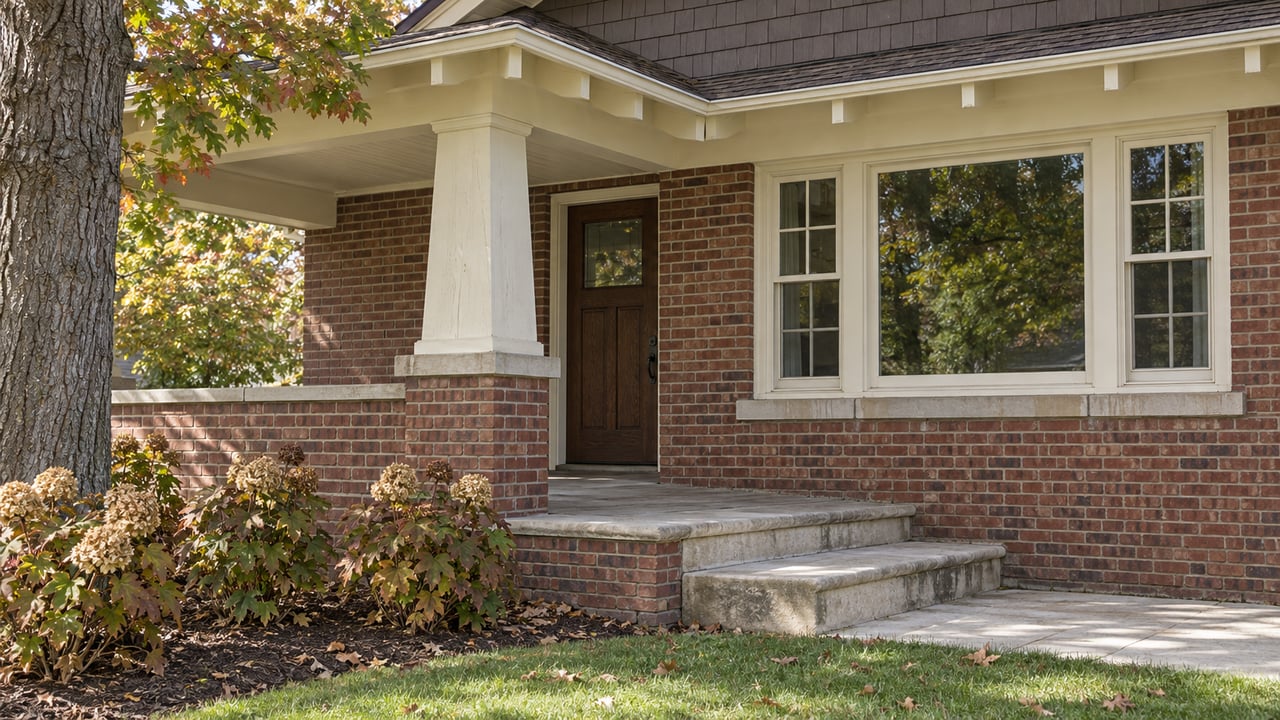
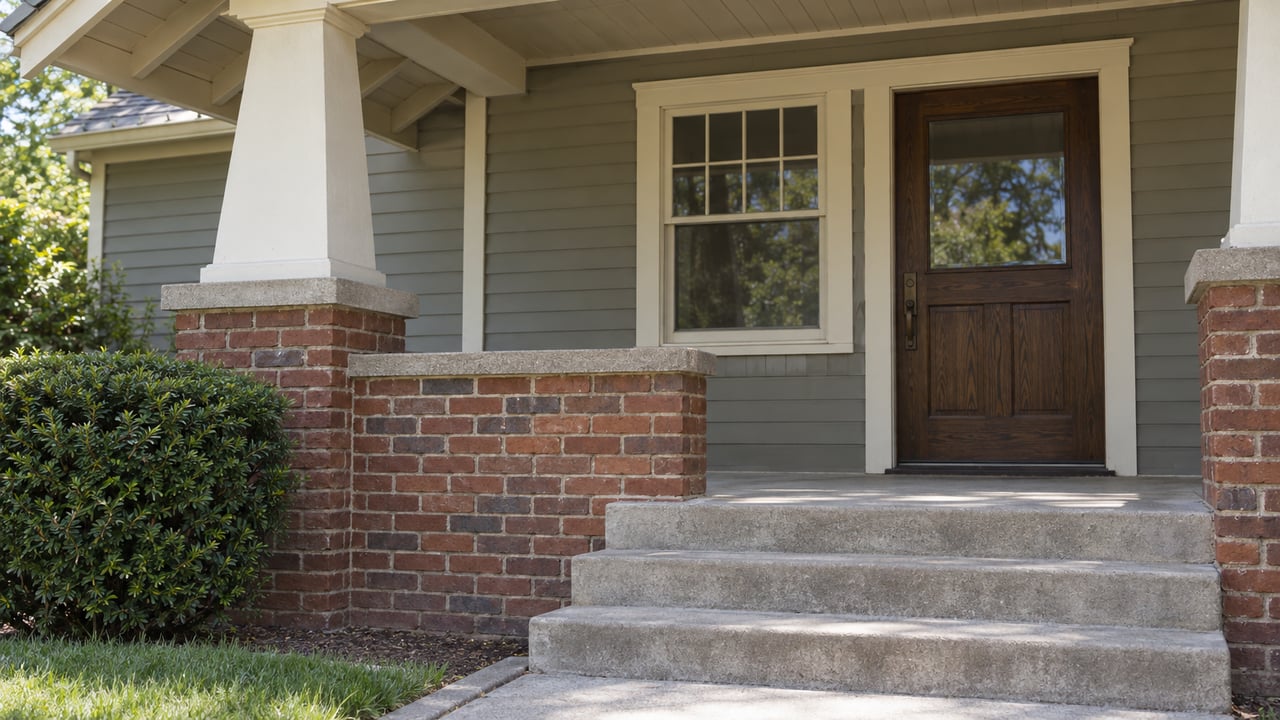
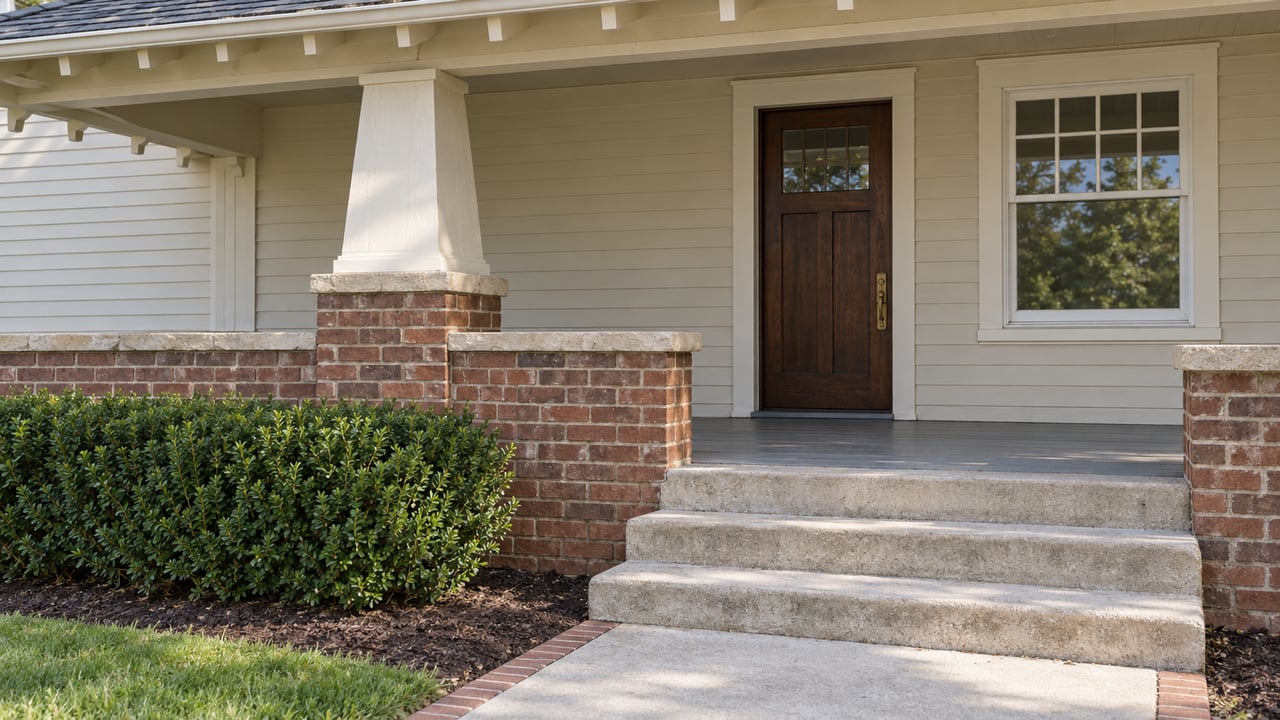
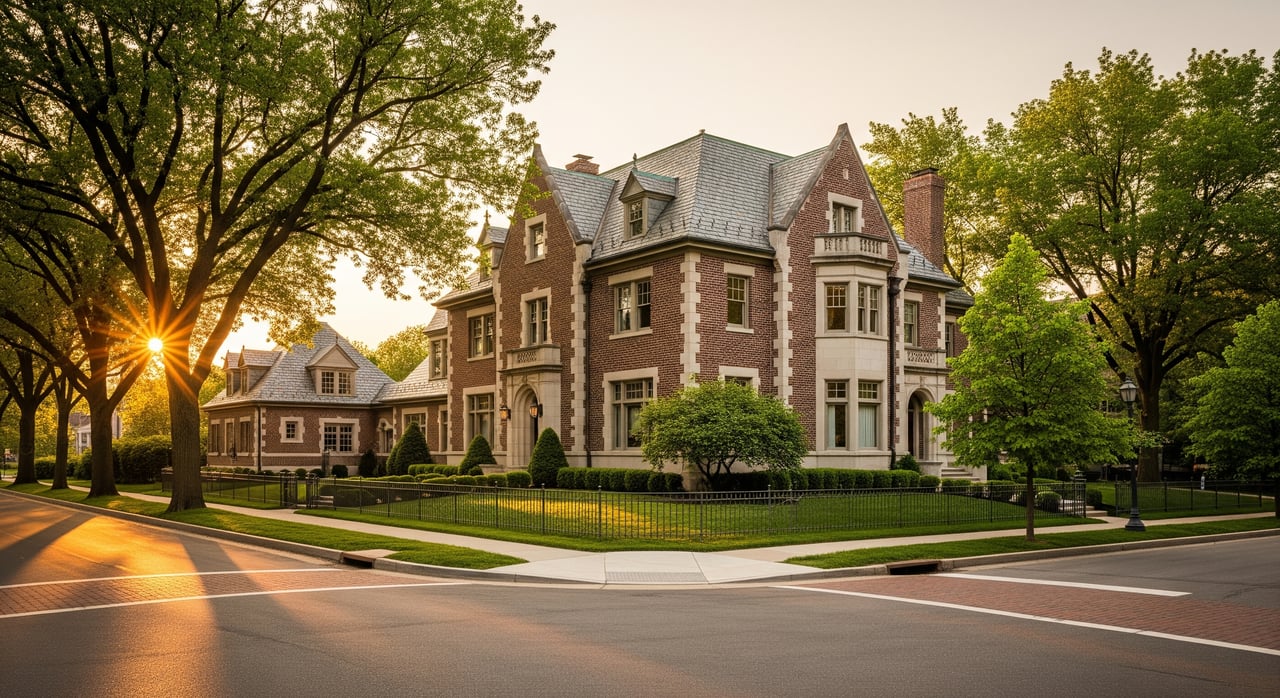
Inner-ring areas such as Brookside, Waldo, Westport, and Hyde Park feature historic single-family homes with craftsman and period details, plus local shops and tree-lined streets. Suburban choices in Lee’s Summit, Blue Springs, Raytown, Grandview, and Independence tend to offer larger lots and newer subdivisions.
If you want new construction, you will find master-planned communities with modern floor plans and builder warranties. Rural and exurban parcels on the fringe provide acreage, but consider distance to services and systems like septic and wells.
Amenities and lifestyle fit
Walkability varies by neighborhood. Areas like the Country Club Plaza and Midtown place dining and retail nearby, while many suburbs are more car dependent. Many buyers start by checking public-school district boundaries, so confirm the lines with official district and state sources.
Proximity to healthcare, groceries, parks, and recreation can shape your routine. Major hospitals include St. Luke’s and Truman Medical Center, and popular parks include Loose Park and Swope Park. For safety and crime context, review local police department crime maps and independent data services, and compare multiple sources.
Budget and ongoing costs
Property taxes in Missouri are administered at the county level. Check current rates and assessments with the Jackson County Assessor and confirm any special assessments or HOA fees. Compare expected maintenance across home types since a condo HOA fee covers different items than a single-family roof, yard, and exterior.
Zoning, floodplains, and long-term development
Review FEMA flood maps and local floodplain resources, especially for central or river-adjacent areas. Look at city planning and zoning maps for infill or redevelopment projects that could affect future traffic, noise, and nearby land uses.
Quick neighborhood profiles in Jackson County
Downtown, Crossroads, and Crown Center
- Housing: high-rise condos, lofts, and apartments with an urban feel.
- Fit: easy access to cultural venues, dining, and the KC Streetcar.
- Commute: ideal if you work downtown, with parking and transit as key considerations.
Midtown, Country Club Plaza, Brookside, Volker, Hyde Park
- Housing: historic single-family homes, bungalows, Tudors, and some condos.
- Fit: walkability to dining and retail, mature trees, neighborhood character.
- Market note: often higher price per square foot than outer neighborhoods.
Westport, Waldo, and Plaza-adjacent
- Housing: mix of older single-family homes, duplexes, small apartment buildings, and newer townhomes.
- Fit: lively dining and entertainment, moderate walkability.
South Kansas City, including Raytown and Grandview
- Housing: more affordable single-family options, mid-century ranches, and newer subdivisions farther south.
- Fit: value-oriented buyers and larger lots.
- Commute: longer drives to downtown in some cases, so test rush-hour routes.
East and Southeast: Independence, Blue Springs, Lee’s Summit
- Housing: suburban single-family homes, new subdivisions, and family-focused amenities.
- Fit: buyers seeking larger homes and community amenities.
- Commute: plan routes toward downtown and key employment centers in the east and southeast.
A note on the Northland
Much of the Northland sits in Clay County rather than Jackson. Many buyers compare these options for newer subdivisions and added green space. If the Northland is on your list, compare commute times across the river and check bridge traffic during peak hours.
Commute corridors to know
- I-70: east to west through downtown and the east suburbs.
- I-35: north to south across the metro.
- I-435: the outer beltway connecting many suburbs.
- I-29: north toward the airport area and the Northland.
- US-71/I-49: key south corridor serving South KC and beyond.
Tip: Map both inbound morning and outbound evening drives. If you have school or daycare drop-offs, run those routes too.
House hunting from out of market
Virtual tours that work
Not all virtual tours are equal. Ask for high-resolution photo galleries that show multiple angles and exterior context. Request recorded video walkthroughs so you can see how rooms connect and ask the agent to call out any visible wear.
Live video tours on FaceTime or Zoom help you interact in real time. Have your agent show utility hookups, appliances, the attic, crawlspace, and garage. 3D tours like Matterport provide a strong feel for layout and allow virtual measuring. Drone photos can reveal lot shape and proximity to busy roads.
Inspections and due diligence remotely
Order an independent home inspection and schedule time for the inspector to stream video while onsite. Ask for expanded photo and video reports of the roof, foundation, HVAC, and any flagged areas. For special items like pools, septic, radon, or mold, hire local specialists and request video or detailed reports.
Gather documents that tell the home’s story. Ask for 12 months of utility bills, recent repair invoices, permit history, and seller disclosures. These items help you verify condition and budget.
Neighborhood checks from your laptop
Test drive times during actual rush hours in your mapping app. Review crime maps and incident data from local police and multiple independent sources to get trend context. Use satellite and street view to see how nearby properties, sidewalks, and commercial parcels have changed over time. Local online community groups can provide helpful everyday insights.
Making an offer and appraisal
Work with a lender and appraiser familiar with the Kansas City market. Ask your agent which comparable sales are used nearby and how those comps match on lot size, age, and updates. In competitive situations, an informed appraisal strategy can make a difference.
Build protection into your contract. Include inspection and appraisal contingencies, a clear title contingency, and time to review inspection results remotely. If you need contractors to bid repairs before closing, make sure access for those vendors is written into your timeline.
How remote closings work in Missouri
Three common paths
- Fully remote via Remote Online Notarization: possible when permitted by state law and when your title company supports it. Verify current rules and platform requirements with your title team.
- Hybrid: many documents are e-signed while certain forms require in-person notarization or wet signatures.
- Mail-away: documents are sent to you for wet signatures, then returned by courier.
Title, recording, and wire safety
Title work and deed recording happen locally with the title or escrow company and the Jackson County Recorder of Deeds. Wire fraud is a real risk, so follow industry guidance and verify wire instructions by phone using a known, trusted number. Confirm the final amounts within 24 hours of sending funds.
Practical steps and timeline
Confirm early that your title company is experienced with remote closings and will share a detailed checklist. Ask which documents require notarization, what forms of ID are accepted, and how courier timelines work. If using Remote Online Notarization, review the tech steps in advance so your signing is smooth. After closing, ask for confirmation when the deed is recorded and request recording numbers for your records.
Neighborhood and closing checklists
Neighborhood selection checklist
- Your primary commute node and acceptable door-to-door time
- Preferred housing style and minimum lot size
- Public-school district boundaries to verify
- Walkability and nearby amenities like grocery, parks, and dining
- Safety and crime data sources you will monitor
- HOA preference and a budget for dues
- Floodplain exposure and nearby planned development
Virtual-hunt checklist
- Request: HDR photos, 3D tour, drone shots, recorded walkthrough, floor plan with measurements
- Documents: utility bills for 12 months, seller disclosures, permit and inspection history
- Schedule: live virtual walkthrough and independent inspection with streaming
- Neighborhood checks: rush-hour drive-time test, crime maps, satellite and street view, local community groups
Remote-closing checklist
- Confirm title company options: RON, hybrid, or mail-away
- Verify acceptable ID and notarization steps
- Confirm wire-instruction procedures and anti-fraud verification
- Set timelines for document delivery, return, and recording confirmation
Ready to find your fit?
You do not have to figure this out alone. With a neighborhood-first approach and proven remote processes, you can compare options, tour virtually, and close with confidence. If you are relocating to Kansas City and want a clear plan tailored to your commute, budget, and lifestyle, connect with Paul Michael Galbrecht for a no-pressure conversation.
FAQs
How do I evaluate commute times in Kansas City from out of market?
- Map door-to-door routes during typical rush hours, ask a local agent for a recorded morning and evening drive, and factor in employer parking or transit options.
Can I buy a Kansas City home and close without traveling?
- In many cases, yes; expect Remote Online Notarization, hybrid, or mail-away options depending on title company capabilities and current state notary rules, so confirm early with your lender and title team.
What should I look for in a virtual home tour to avoid surprises?
- Request floor plans and measurements, a 3D tour, a live video walkthrough that covers systems and storage, and an independent inspection with expanded photo and video.
How do property taxes work in Jackson County, Missouri?
- Property taxes are administered by the county; check rates and assessments with the Jackson County Assessor and confirm any special assessments or HOA dues.
Is public transit practical for daily commuting in Kansas City?
- The KC Streetcar serves the downtown core and KCATA operates regional buses, but many suburban commuters drive, so test your rush-hour routes and parking plans.