A Kansas City plumbing company's field notes from March 2026 flag a simple pattern in the 64127 zip code: if a home there was built between 1950 and 1975, there's a strong chance its sewer line is original cast iron, the kind of pipe that corrodes from the inside out until it finally fails. Nobody flags this during a standard home inspection when the house sells.
That's the thing buyers and sellers in this market tend to get backward. They assume a home inspection covers the property, full stop, and that Missouri's disclosure rules will catch anything the inspector misses. In Kansas City, on a huge share of the housing stock, neither of those assumptions holds. The standard inspection stops at what's visible. The disclosure law only covers what the seller actually knows. Between those two gaps sits a pipe that's been buried under the yard since before either party was born.
The Test a Standard Inspection Misses
A sewer scope is a camera run through the main line from the house to the street. It is not part of a standard home inspection, and According to REX Buys KC, Missouri has no law requiring a house to pass any inspection before it can be sold. The state follows a caveat emptor standard: buyers are expected to check things out for themselves, and sellers only have to disclose material defects they actually know about. According to A-Pro North KC, Missouri also doesn't license home inspectors, so there's no regulatory floor guaranteeing what gets checked. If a seller has never had a scope done, there's often nothing to disclose, not because the pipe is fine, but because nobody has looked.
The seller's disclosure form protects you from what the seller knows. It was never built to protect you from what's actually buried in the yard.
That distinction is the whole reason the scope exists as an optional add-on rather than a formality. It's the one step in the transaction that actually closes the gap between "nobody has flagged a problem" and "there is no problem."
Why Kansas City's Pipes Skew Old
This isn't a hypothetical risk spread evenly across the metro. Roughly 42% of homes across the Kansas City metro were built before 1980, which puts a lot of the region's housing stock squarely inside the window when sewer laterals were made of materials nobody installs anymore:
- Before about 1960: vitrified clay was the standard, brittle, jointed in short sections, and an easy target for tree roots working through hairline cracks.
- Roughly the 1950s through the mid-1970s: cast iron took over, more durable on paper, with an expected lifespan of 50 to 75 years, but it corrodes from the inside out and plenty of it is now past that window.
- After the 1980s: PVC became standard, and it resists both corrosion and root intrusion far better than what came before.
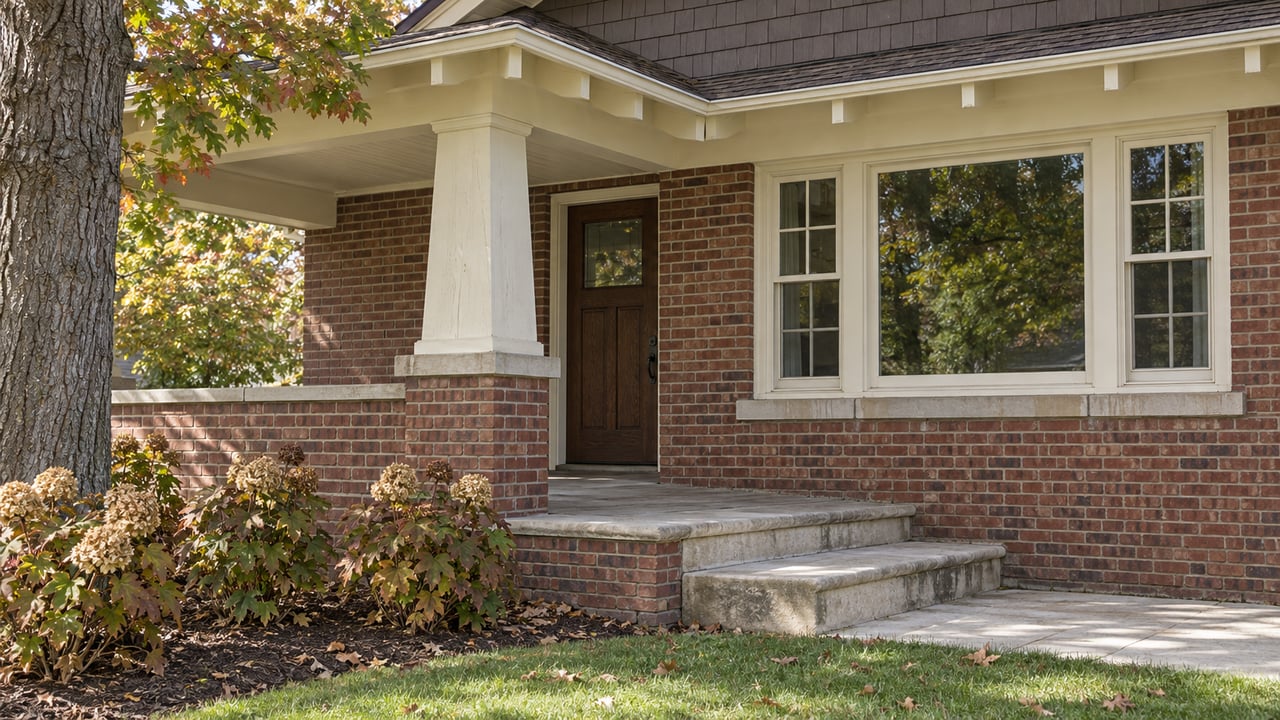
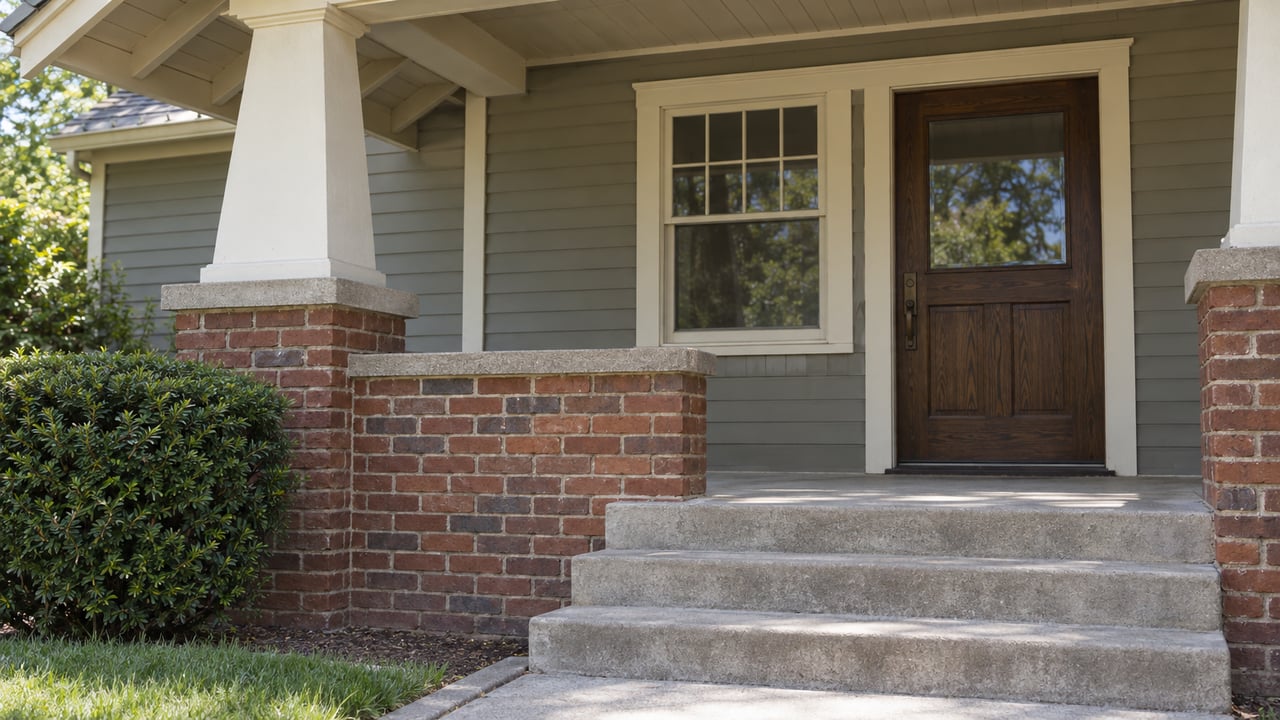
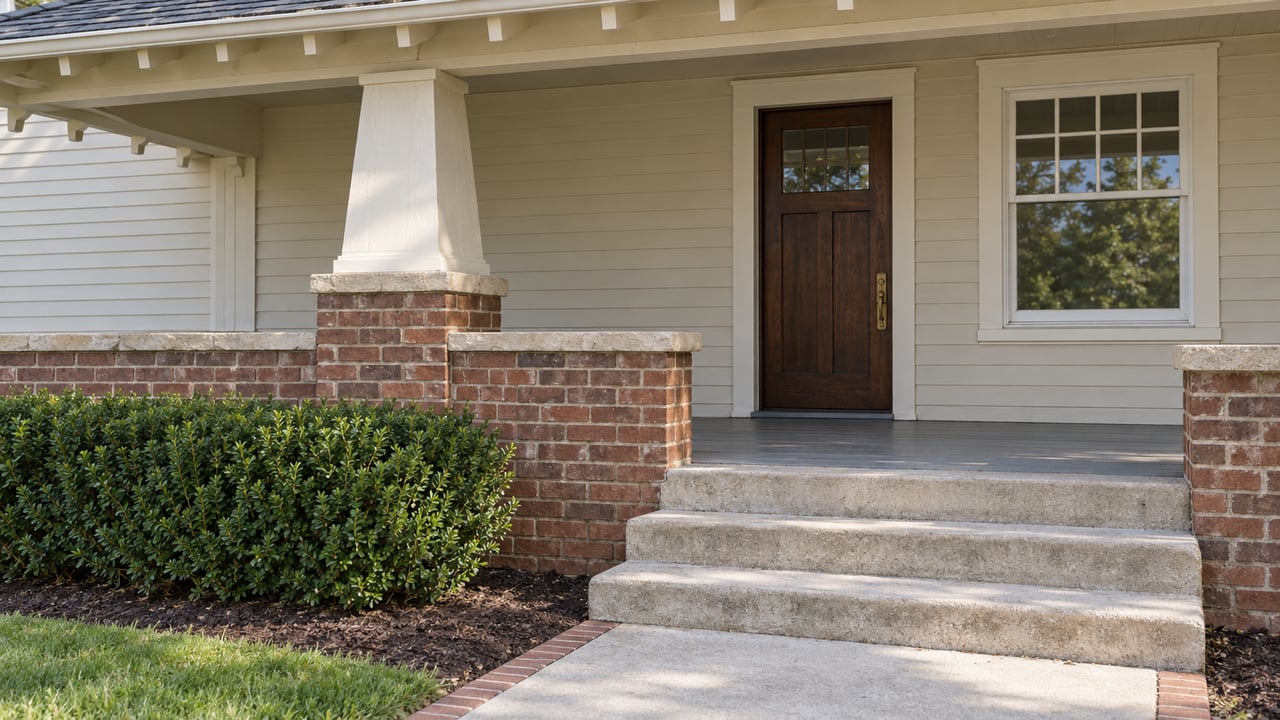
Kansas City adds its own complication on top of the calendar: the region sits on clay soil that expands when wet and contracts when dry, and that seasonal movement stresses old joints every single year, cracking them a little further each cycle. Neighborhoods built out with the century-old bungalows and Craftsman housing stock this market is known for, places like Brookside, Waldo, and Westport, carry more of this risk simply because more of the original infrastructure is still in the ground. That's not a knock on the houses. Most of them have stood for a century because they were built well. It just means the line running underneath was built to a different standard than what replaces it today.
The Math That Makes This an Easy Call
A sewer scope in the Kansas City area typically runs $150 to $300 and takes under an hour. A failed lateral, depending on depth, location, and how much of the line needs to come out, can run anywhere from $500 for a spot repair to $20,000 for a full replacement. That's not a close comparison. It's the kind of asymmetry that makes the scope worth ordering on nearly every older home purchase, not just the ones where something already seems off.
It's also worth being honest about what the camera usually shows. Local plumbers who run these tests constantly report that a completely clean scope is the exception on older lines, not the rule. Root intrusion, scale buildup, and minor cracking show up often. That doesn't mean catastrophe. Even among the scopes that turn up something, more than half of those homes don't end up needing a full line replacement, just monitoring, a hydro-jetting cleanout, or a targeted repair. The scope's real value isn't a pass or fail stamp. It's telling you where the line actually sits on that spectrum, so you're negotiating from evidence instead of a guess.
What This Means If You're Buying
Order the scope during your inspection period, not after. Once it's run, the camera footage becomes leverage. Depending on what it shows, buyers typically ask for one of three things before closing: the seller completes the repair, the price comes down to reflect it, or a closing credit covers the estimated cost. Any of those beats discovering a collapsed line the first month you own the house.
A clean scope before closing is the closest thing to a guarantee you'll get on a system that's otherwise invisible.
What This Means If You're Selling
A pre-listing scope costs the same few hundred dollars and gives you the option to fix a problem on your own timeline instead of a buyer's. It also removes a common source of late-stage renegotiation. Buyers who find a cracked lateral during their own inspection period tend to ask for more than the repair actually costs, partly out of uncertainty about what else might be wrong. A seller who already has documentation showing the line is sound, or already made the repair, walks into negotiations with less to explain.
The Current Market Raises the Stakes
Kansas City's Heartland MLS market reported a median sales price of $349,900 in July 2026, up 3.9% year over year, with inventory down 5.2% from the year before and months of supply at 2.6, conditions that generally favor sellers. Homes that closed in July spent an average of 36 days on the market. In a market moving that fast, inspection periods get compressed, and it's tempting to treat a sewer scope as one more thing to skip when you're trying to keep an offer competitive. That's exactly the wrong moment to skip it. A fast-moving market doesn't change what's buried under an 80-year-old bungalow. It just shortens the window you have to find out before you own it.
A Few Questions Worth Answering Directly
Is a sewer scope part of a standard home inspection? No. It's an add-on, which is exactly why it's easy to skip and why buyers should request it themselves.
Who pays for a sewer scope, the buyer or the seller? Either party can order one. Buyers most often pay for it during their own inspection period, while sellers sometimes order one before listing to get ahead of any surprises.
If my home was built after 1980, do I still need one? The risk is lower with PVC lines, but tree roots and ground shifting can still affect any buried pipe over decades. It's a smaller concern, not a nonexistent one.
Where This Leaves You
The number that actually matters here isn't a home's list price. It's whether the line running from that home to the street has ever been looked at. In a market with this much pre-1980 housing stock, that's not a detail to leave to a disclosure form that only covers what a seller happens to know.
If you're weighing an offer on an older Kansas City home, or getting ready to list one, Paul Michael Homes can walk you through what a scope typically turns up in this market and how to build it into your timeline without slowing down a competitive offer. Schedule a free consultation, or start with a free home valuation to see where your property stands before you decide what to fix first.
This article is general information, not legal, tax or financial advice. Consult a qualified professional about your situation.