Trying to choose between Prairie Village and Overland Park for your next move? You are not alone. Both offer strong neighborhoods in Johnson County, but they deliver different day-to-day experiences. In this guide, you will learn how each city compares on housing, commute patterns, amenities, schools, and overall feel so you can match your priorities to the right fit. Let’s dive in.
Quick orientation
Prairie Village is a small, fully developed city in Johnson County with a compact footprint and older, tree-lined neighborhoods. Its location places you close to central Kansas City destinations like the Plaza, Crown Center, and downtown.
Overland Park is Johnson County’s largest city by size and population. It includes multiple commercial and employment centers, large shopping districts, medical facilities, and a wide range of neighborhoods from north to south.
Housing and lot sizes
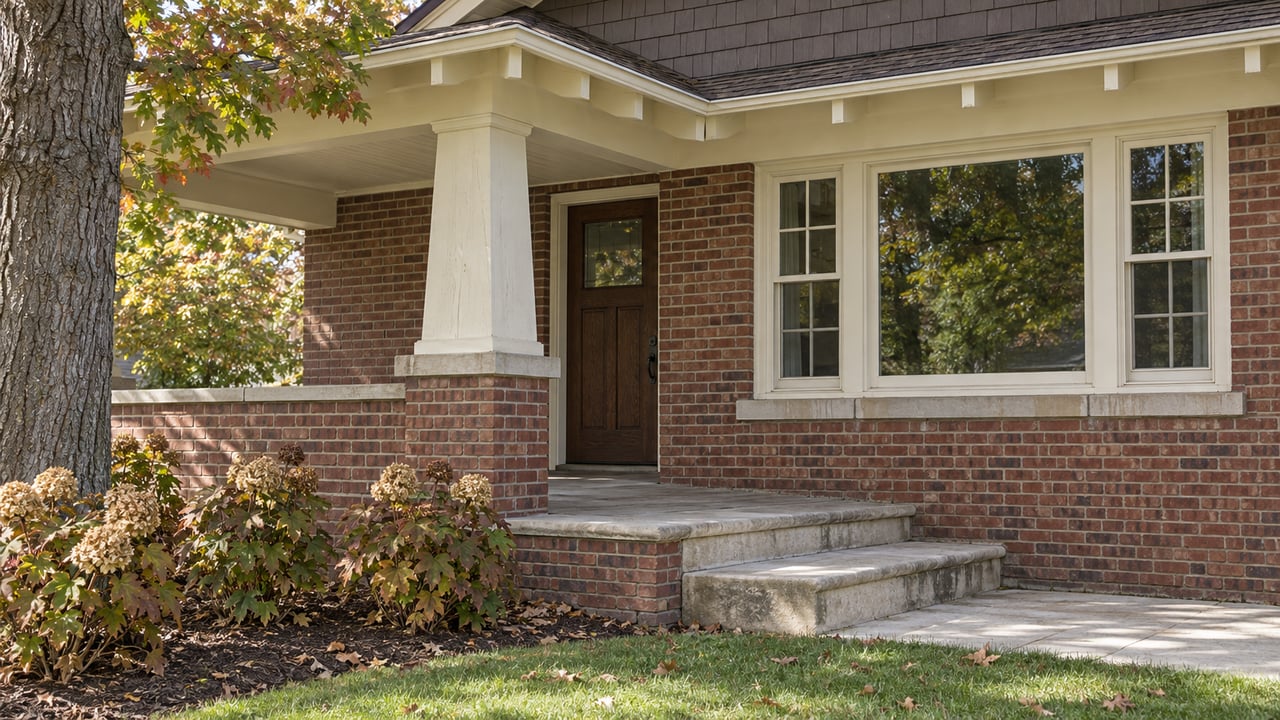
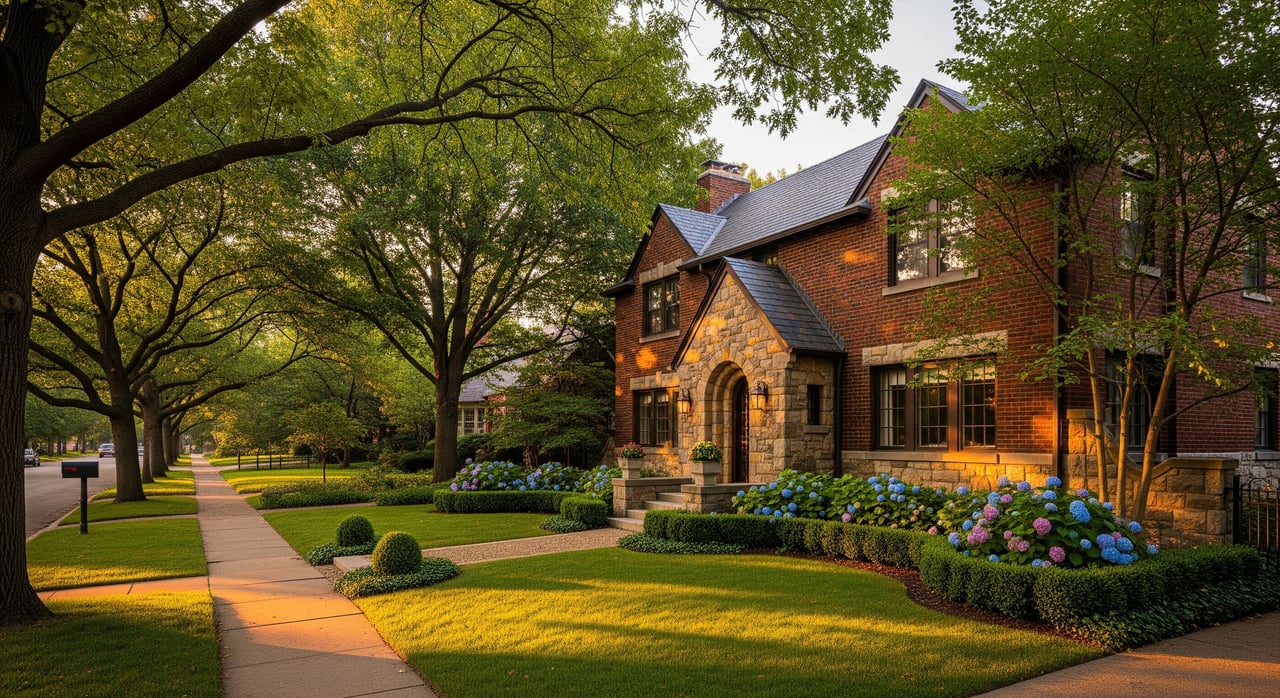
Prairie Village is known for mid-20th century single-family homes, including ranches, Tudors, and brick colonials. Many homes keep original character, and renovations are common. You will also find limited infill and a small number of duplex or condo options, but detached homes dominate.
Overland Park presents far more variety. Options range from older neighborhoods to large post-1980s subdivisions, master-planned communities, townhomes, condos, and apartments. If you want choice across styles and ages, Overland Park tends to have it.
Lot sizes differ as well. Prairie Village typically offers modest, mature lots and close spacing between homes by modern suburban standards. Overland Park spans everything from compact infill to quarter-acre or larger lots in newer developments.
New construction or character
New construction in Prairie Village is limited by the city’s built-out status. Most “new” opportunities come from renovation, additions, or tear-down and rebuild on existing lots. If you want a newer, larger home within Prairie Village, you may need to consider a rebuild strategy on a specific lot.
Overland Park supports more new construction, both single-family and multifamily, and it can provide a wider range of price points for newer inventory. Master-planned communities with amenities are more common here.
Budget and value positioning
Buyers often find that Prairie Village commands a higher price per square foot due to its central location and established character. Homes may be smaller on average, but the neighborhood appeal and proximity can drive value.
In Overland Park, you will often get more house and larger lots for the same budget, especially in newer neighborhoods farther from the Kansas City core. The city’s size creates broader price tiers and more options at each level.
Commute and regional access
Both cities connect to the Kansas City metro’s major highway system, including I-435 and US-69, as well as key arterials. Actual travel time depends on your exact neighborhood.
Prairie Village’s compact location can shorten commutes to the Plaza, Crown Center, and downtown. If your employer is in central Kansas City, this proximity helps.
Overland Park contains major employment centers within its boundaries. Many residents work in corporate campuses or business parks inside the city, which can mean shorter, local commutes and fewer highway miles.
Public transit in the region is limited compared with larger metros, and most residents rely on personal vehicles. Prairie Village’s older street grid and closer-in setting can support shorter trips for errands. Overland Park has trail systems and sidewalks, but distances in newer areas can be longer.
Schools and boundaries
Prairie Village is largely served by the Shawnee Mission School District. Overland Park includes areas served by Shawnee Mission and Blue Valley, and some fringe areas align with other nearby districts. School assignments depend on attendance boundaries, which vary by address.
If schools matter to you, verify boundaries for any property under consideration and review program offerings at the school or district level. Ratings and program details differ by campus. Address-level confirmation is essential when comparing neighborhoods.
Amenities and lifestyle
Prairie Village offers an intimate, neighborhood-scale experience. You get established parks, community events, boutique shopping and dining, and quick access to central Kansas City attractions. The feel is cohesive and small-city in character.
Overland Park provides larger, regional amenities. You will find major shopping centers, a broad restaurant scene, several medical facilities, and community attractions like large parks, trail networks, and family-oriented venues. Its size brings more options for recreation programs and sports leagues.
Walkability and neighborhood feel
Prairie Village is consistently described as established and walkable at the neighborhood scale, with mature trees and a tight-knit feel. If you value being close to small commercial districts and local services, this may be appealing.
Overland Park varies by neighborhood. Some areas have traditional, walkable layouts, while others are more car dependent. In newer subdivisions, you will likely rely on a short drive for errands.
Which is right for you
If your top priority is central access, a smaller lot, and established neighborhood character, Prairie Village may align well. It is a strong fit if your daily routine touches the Plaza, Crown Center, or downtown.
If your top priority is newer construction, larger lots, and a wider spread of price points, Overland Park may be a better match. It is also convenient if your employer is within Overland Park’s corporate centers.
Real-world scenarios
- You work near the Plaza and want a tree-lined street with character. Consider Prairie Village and plan for a smaller lot with potential renovation projects.
- You want a newer, four-bedroom home and a larger yard within a master-planned community. Focus your search in Overland Park, especially in areas developed after the 1980s.
- You want a short commute to an Overland Park business park. Living within Overland Park may give you more local routes and less highway time.
- You want neighborhood-scale shopping and quick access to central KC dining and entertainment. Prairie Village’s location can meet this need.
Quick decision checklist
Use these steps to narrow your options and compare properties:
- Define three non-negotiables, such as school considerations, commute time, and lot size. Rank them.
- Pull current median sale prices and active inventory for your target neighborhoods. Use MLS reports or reputable data sources for the latest numbers.
- Verify school attendance boundaries for each address on your shortlist. Confirm at the district level before you write an offer.
- Check property tax details and recent history through county resources. Confirm parcel size and any special assessments.
- Review city zoning, building setbacks, and HOA rules if you plan additions or a new build. Understand lot coverage before you buy.
- Test your rush-hour commute to your workplace on the routes you would use daily. Compare north-south and east-west corridors.
- Review public safety resources and community updates for each city. Look at official sources for the most accurate picture.
- Check FEMA flood maps and local stormwater guidance if the lot is near creeks or low-lying areas.
Buying with confidence
Both Prairie Village and Overland Park offer strong long-term appeal in Johnson County. Your best choice comes down to how you balance location, home size, lot size, schools, commute, and amenities. If you outline your priorities and test them against a few sample neighborhoods, the right fit usually stands out.
If you want a local, consultative guide for this decision, connect with a neighborhood-first advisor who knows both markets in depth. Reach out to Paul Michael Galbrecht to schedule a free consultation or request a personalized home search and valuation plan.
FAQs
How do Prairie Village and Overland Park compare on home types?
- Prairie Village is mostly mid-20th century single-family homes with renovations common, while Overland Park spans older areas, large subdivisions, master-planned communities, and more multifamily options.
What should I know about commute times in Prairie Village vs Overland Park?
- Prairie Village often shortens trips to the Plaza, Crown Center, and downtown, while Overland Park can offer local commutes if you work within its business parks and corporate centers.
How do school districts differ between the two cities?
- Prairie Village is largely in Shawnee Mission, while Overland Park includes Shawnee Mission and Blue Valley in different areas, so always verify address-level attendance boundaries.
Where will I find larger lots or newer construction?
- Overland Park typically offers more new construction and larger lots, while Prairie Village focuses on renovation or rebuilds due to limited vacant land.
Which city is more walkable to shops and parks?
- Prairie Village often provides neighborhood-scale walkability with local shops and parks, while Overland Park varies by neighborhood and may require short drives in newer areas.
How should I start comparing prices in each market?
- Identify target neighborhoods, then review current MLS data for median prices and inventory, and combine that with on-the-ground tours and recent comparable sales.