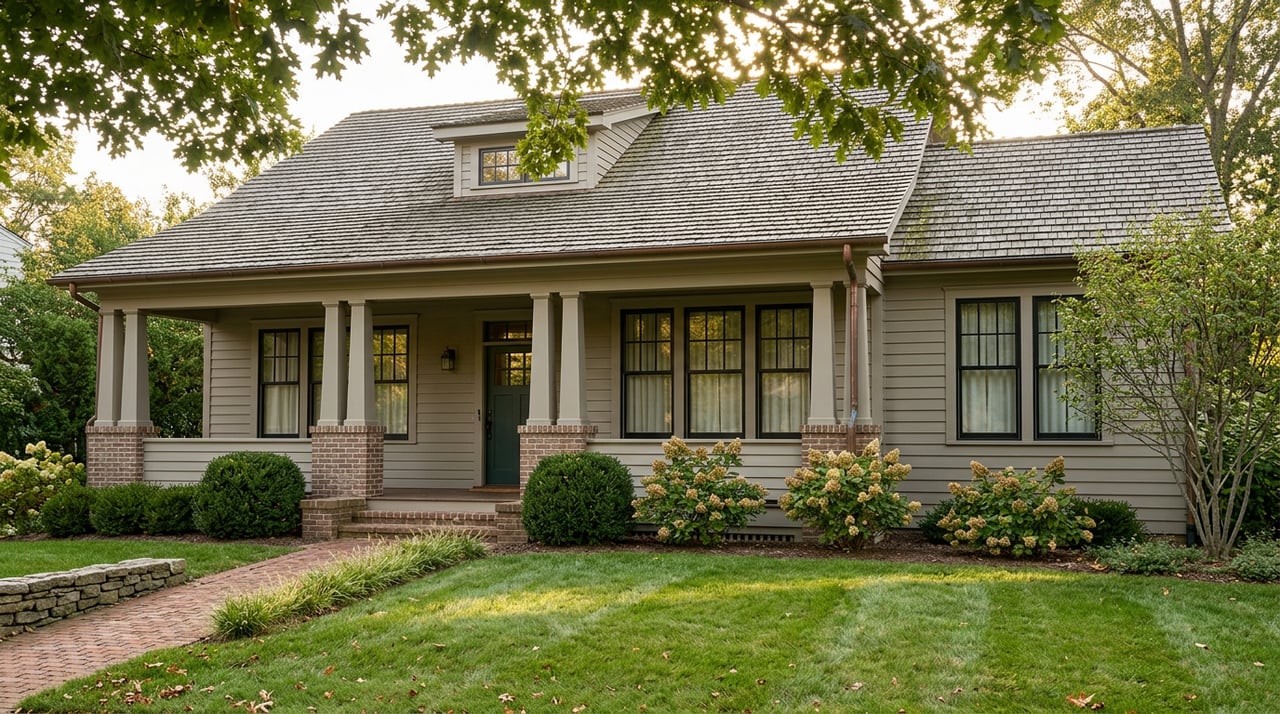
Anh Rongish bought her first home in northwest Olathe in 2018. A little while later, a letter arrived saying she owed $14,000 in taxes tied to a benefit district approved back in 2008, one that had never come up during her purchase. The road it was paying for sat a quarter mile from her house. She would never drive on it.
Her story surfaced publicly a few years later, when she and other Olathe homeowners pushed state lawmakers to close what they saw as a gap in how buyers learn about these assessments. Their testimony, along with a parallel fight in the city's Cedar Creek neighborhood, is worth understanding if you're shopping newer subdivisions in Olathe today. Not because the law failed to protect buyers. It didn't. The gap was in verification, and that gap is still yours to close every time you write an offer.
The Disclosure Requirement Already Exists
Kansas law has required this disclosure since 2003. Under K.S.A. 12-6a20, a seller must tell a buyer, before the contract is signed, that a property is subject to a special assessment or sits inside an improvement district. If the exact amount isn't known yet, the seller has to give a good-faith estimate, and the buyer has to sign a written acknowledgment confirming they saw it.
That statute predates every headline to come out of Cedar Creek. Nondisclosure was already against the rules on paper. The question the Cedar Creek fight actually raised wasn't whether the law existed but whether anyone was checking it against reality before closing day.
Why the Law Didn't Stop It
Two different failure modes showed up in Olathe, and they're worth telling apart because they call for different due diligence.
The first is the Rongish pattern: an assessment approved years earlier, in her case 2008, that never made it into the paperwork when she bought a decade later. The gap wasn't limited to her own closing either. She told lawmakers that a development just north of her home was set to layer two more benefit districts onto future buyers with no signage in place to warn them. A legal requirement only protects a buyer if someone actually executes it, property by property.
The second pattern shows up inside Cedar Creek itself, where the benefit district covers infrastructure some residents say they never asked for and don't use. Cedar Creek resident Denise Holm's home sits inside an established benefit district there, and she summarized her share of the bill plainly: "I'm paying for a parkway that I'll never use." An assessment doesn't ask whether you personally benefit from the improvement it funds, only whether your parcel sits inside the boundary the city drew.
Kansas legislators tried to address the first pattern with House Bill 2518 in 2022, which would have required mailed notice before a district could be created and made a real estate contract voidable if the special assessment disclosure was missing. Mark Tomb, who represented the Kansas Association of Realtors in committee testimony, said additional disclosure made sense but argued that voiding contracts outright created real problems for the industry. The bill stalled in committee and was never enacted for that purpose. If you're relying on a state-level fix beyond the existing disclosure statute, it isn't there yet.
What the City Changed Instead
Olathe's own response came at the city council level. In late 2021, the council voted 5-2 to tighten how residential benefit districts get created and communicated. City Manager Michael Wilkes told the council the goal was to prevent a repeat of what happened in Cedar Creek.
The revised policy did two concrete things. It requires the city to post signage near an established benefit district, so a prospective buyer walking or driving the property sees a physical marker, not just a line in a stack of closing documents. It also requires the city to send an annual letter to homeowners of record once a district exists but before its special assessments have started appearing on tax bills, closing the exact gap that caught Rongish off guard.
That policy has its own expiration built in. The financing framework that governs how Olathe approves new benefit districts carried a sunset date of December 31, 2025, unless the city council chose to readopt it. As of this writing, we haven't confirmed whether that renewal took place, which is itself useful information. If you're evaluating a subdivision where a benefit district might be created after your purchase, it's worth asking the city directly whether the current policy is still active and what version of the rules applies.
Who Actually Verifies What
The disclosure chain involves more parties than most buyers assume, and no single one of them is positioned to catch everything.
| Party | What they're required to do | What they're not required to do |
|---|---|---|
| Seller | Disclose known special assessments and give a good-faith estimate before contract signing | Investigate whether a district was created after their own purchase but hasn't yet hit their tax bill |
| City of Olathe | Post signage at established districts and send annual letters once a district exists | Guarantee no new district will be proposed in an adjacent growth area |
| Title company | Search recorded liens and assessments tied to the parcel | Interpret what a pending or newly petitioned district might cost you later |
| Buyer | Ask for the specific disclosure and acknowledgment form, and confirm district status independently | Rely on the sale price alone to reflect future assessment exposure |
Special assessments also show up differently on your annual tax bill than ordinary property tax. They appear as a separate line item tied to the specific infrastructure project, not folded into the general mill levy calculation. That distinction matters if you're trying to estimate your real carrying cost on a home, because two houses with similar assessed values can carry very different total bills depending on whether one sits inside an active benefit district.
The Growth Pattern Hasn't Stopped
Cedar Creek isn't a closed case. In 2024, the Olathe City Council approved a rezoning near the entrance to the Cedar Creek area for a 300-unit apartment and mixed-use project, over strong objection from existing residents who worried about the effect on the neighborhood's character. The vote passed 5-2, the same council structure that had tightened benefit district rules three years earlier.
That project is a reminder that growth in this part of Olathe hasn't slowed down, and growth is exactly what creates new benefit districts in the first place. The mechanism the city tightened in 2021 is still the mechanism in play today wherever new infrastructure gets built to serve new rooftops.
Four Questions Worth Asking Before You Write an Offer
- Ask your agent to pull the specific special assessment disclosure and acknowledgment form for the property, not a general summary.
- Ask the seller directly whether any benefit district affecting this parcel was created before their own purchase, since older districts are the ones most likely to have been missed in later resale paperwork.
- Ask the City of Olathe's economic development office whether the property sits inside an active or proposed benefit district and whether the city's financing policy has been renewed past its last review date.
- Ask your title company to confirm what, if any, special assessments are currently recorded against the parcel, separate from the seller's own disclosure.
A Few Questions Worth Answering Directly
Does this only affect brand-new subdivisions? No. New districts have been proposed in established Cedar Creek subdivisions years after homes were built and sold, tied to expanding roads or utilities nearby.
How long do these assessments typically last? Residents in Cedar Creek described assessments tied to 20-year GO bond terms, meaning the obligation can outlast a decade of ownership even if you sell before it's paid off.
Is this unique to Olathe? Benefit districts are authorized under state law and used by cities and counties across Kansas. Olathe's experience with Cedar Creek is simply the most publicly documented local case, which is why it's the clearest teaching example.
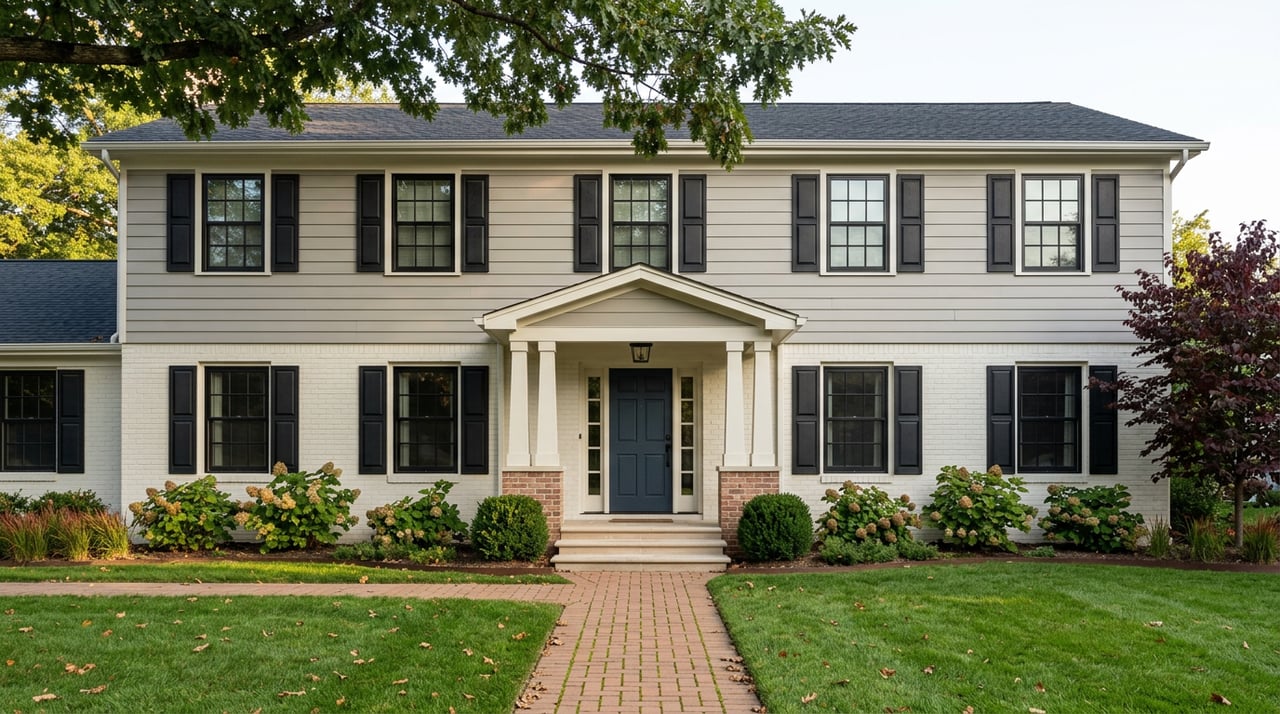
If you're looking at a home in a newer Olathe subdivision, or you're trying to figure out what a specific benefit district means for your monthly carrying cost, that's exactly the kind of paperwork we walk clients through before they write an offer. Paul Michael Homes can pull the disclosure history on a specific property and help you ask the right questions of the city before you're the one signing the acknowledgment form. Schedule a free consultation when you're ready to look at what's actually attached to a listing, not just what's advertised on it.