If you are moving to the Kansas City area, Prairie Village tends to stand out quickly. For many buyers, it offers the mix that is hardest to find in one place: an established residential setting, convenient metro access, and everyday amenities that feel close at hand. If you want to understand why so many relocating buyers put Prairie Village high on their list, this guide will walk you through what the city offers and what to expect when you start your search. Let’s dive in.
Prairie Village offers an established feel
One reason relocating buyers often choose Prairie Village is that it does not feel like a brand-new, still-forming suburb. According to the city, Prairie Village was developed as a planned, mostly residential community, with construction beginning in 1941. The city was later recognized as the best planned community in America in 1949.
That history still shapes the experience of living there today. Prairie Village covers 6.7 square miles in Johnson County and shares its eastern border with Kansas City, Missouri. Its location in the heart of the Kansas City metro gives you a close-in setting rather than an outlying suburban feel.
For buyers moving from another city, that sense of place matters. You are not stepping into a blank-slate development. You are looking at a community with established neighborhood patterns, mature surroundings, and a long-standing residential identity.
The housing stock feels rooted
Prairie Village is still predominantly residential, and the city says about 89% of its residential area is zoned R-1. Those areas are mainly intended for single-family homes, while smaller sections near commercial centers or major intersections include duplexes, townhomes, rowhouses, and multifamily buildings.
That housing mix helps explain why the city often appeals to relocation buyers who want a neighborhood-focused environment. Most of the community is built around detached homes, and the city’s planning guidance describes distinct neighborhood patterns across different parts of Prairie Village. In practical terms, you can expect a city where residential character remains the defining feature.
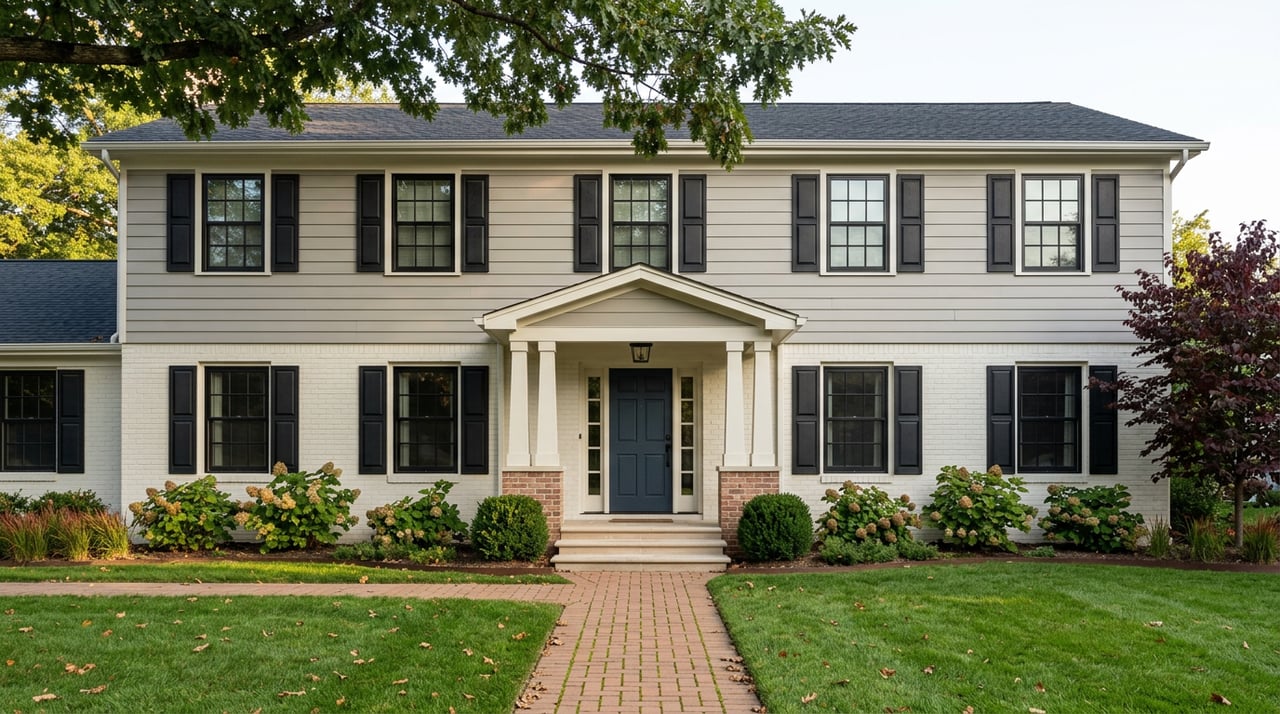
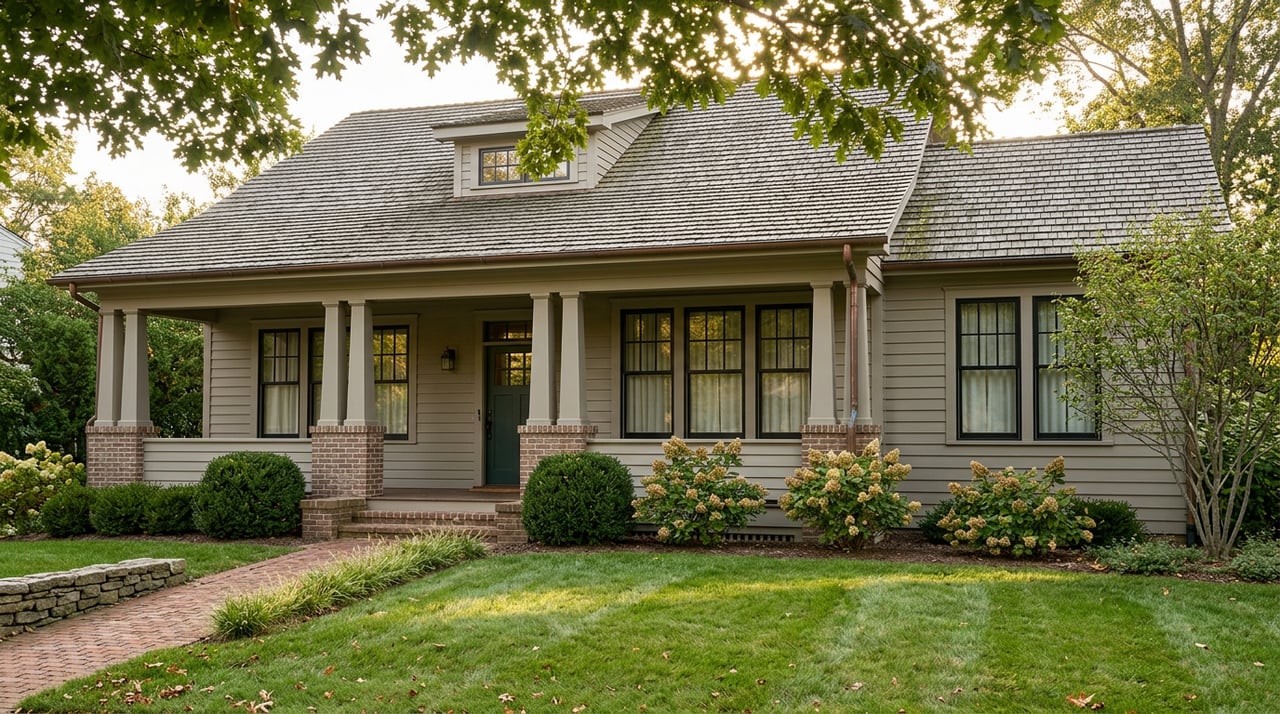
Prairie Village is also an older suburb. City materials note that a significant amount of housing was built before 1955, much of the housing stock is more than 50 years old, and land for new detached homes is limited. For many buyers, that means homes here often come with established lots, mature landscaping, and a more settled streetscape than newer suburban areas.
Reinvestment adds to buyer confidence
Older housing does not mean stagnant housing. In fact, one of Prairie Village’s strongest signals to relocating buyers is the amount of reinvestment happening throughout the city.
The city has reported more than $61 million in residential investment over five years, much of it tied to the reconstruction of more than 150 detached homes. That shows a clear pattern of owners updating, rebuilding, and reinvesting rather than moving on from the area.
For you as a buyer, this can be meaningful in two ways. First, it suggests long-term confidence in the community. Second, it means your search may include a range of options, from older homes with original character to substantially updated or rebuilt properties.
Prairie Village shows signs of stability
Relocation buyers often want more than a nice house. They also want signs that a market is steady and lived in.
Current Census QuickFacts show a 77.0% owner-occupied housing rate in Prairie Village. The same data show a median value of owner-occupied homes of $435,700 and that 89.9% of residents lived in the same house one year earlier.
Those numbers suggest a community with substantial owner occupancy and relatively low year-to-year turnover. If you are moving from out of town, that can be reassuring. It points to a place where many residents stay put and invest in their homes over time.
Daily life is easy to picture here
A big part of Prairie Village’s appeal is how easy it is to imagine your day-to-day routine. This is not just about where you sleep. It is about how easily you can get to parks, errands, dining, and casual meetups without feeling disconnected from the community around you.
The city says Prairie Village has more than a dozen parks that support walking, running, biking, hiking, and play. Franklin Park includes an exercise trail and a 1/2-mile walking path. Harmon Park includes a skate park, disc golf, tennis courts, and the pool complex. Brenizer Park adds landscaped greenspace next to Prairie Village Shopping Center.
For many relocating buyers, amenities like these help a city feel livable right away. You can quickly see where you might go for a walk, spend time outdoors, or build a new routine after a move.
Shopping centers support local convenience
Prairie Village also has a neighborhood-oriented commercial layout that many buyers find appealing. Instead of relying on one large regional retail strip, the city lists four neighborhood shopping centers: Prairie Village Shopping Center, Corinth Square Shopping Center, State Line Road Shopping Center, and Meadowbrook Shopping Center.
Prairie Village Shopping Center is described by the city as a quaint outdoor setting with more than 50 shops, restaurants, and services. The city’s strategic plan says this center plays a defining role in the community’s commercial and civic life and is often referred to as “Downtown Prairie Village.” Corinth Square is another major center near the city’s geographic center.
For a buyer relocating from another market, this layout can make a strong first impression. It gives Prairie Village a series of smaller, usable hubs for errands and dining rather than one oversized commercial corridor. That often translates into a more neighborhood-centered feel in everyday life.
Metro access is a major advantage
Location is one of Prairie Village’s biggest strengths. The city describes itself as being in the heart of the Kansas City metro, with quick access to major regional destinations including the Country Club Plaza, Union Station, the Nelson-Atkins Museum of Art, the T-Mobile Center, Arrowhead and Kauffman Stadiums, and the Kansas City Zoo.
That kind of access matters if you are relocating for work, family, or lifestyle reasons. Prairie Village is close enough to stay connected to the broader metro while still offering a residential setting that feels distinct from the busier urban core.
Census QuickFacts report a mean travel time to work of 19.6 minutes for residents. Individual commute times will vary by destination and traffic, of course, but that figure supports Prairie Village’s reputation as a close-in suburb with practical access across the metro.
You have multiple ways to get around
Another helpful detail for relocating buyers is that Prairie Village supports getting around in different ways. According to the city’s roads and transportation information, residents can travel by car, bus, bike, or foot.
That flexibility may not be the first thing you think about during a move, but it affects everyday convenience. Whether you are commuting, running errands, or heading to a local park or shopping center, having more than one way to move through the area can add to the city’s overall ease of living.
Community life stays local
Prairie Village also stands out because its community life is intentionally neighborhood-centered. The city encourages block parties and offers recreation programs that include swim team, dive team, tennis lessons, and ball-field reservations.
For relocation buyers, this matters because it shows the city is designed for participation, not just pass-through traffic. The structure of community life supports local involvement and everyday connection. Even if you are brand new to the area, that kind of setup can help the city feel easier to settle into.
What buyers should expect in Prairie Village
If Prairie Village is on your shortlist, it helps to know what kind of move it tends to suit best. Based on city and Census data, Prairie Village generally appeals to buyers who want an established, mostly single-family community with older housing stock, steady reinvestment, neighborhood shopping centers, and convenient metro access.
It may be especially attractive if you prefer a close-in suburb over a newer exurban development pattern. You are more likely to find rooted neighborhood character and long-term residential stability here than a master-planned, fast-growth feel.
Prairie Village is also served by the Shawnee Mission School District, which includes Prairie Village within its boundary area. For buyers comparing locations across Johnson County, that is one more practical detail to keep in mind as you narrow your options.
Why local guidance matters
Relocating buyers often have to make decisions quickly. You may be balancing virtual tours, timing challenges, limited scouting trips, or a move schedule tied to work or family logistics. In a market like Prairie Village, having a local advisor who can explain neighborhood patterns, housing stock, and day-to-day lifestyle differences can make your search much more efficient.
That is especially true in a city where older homes, updated homes, and rebuilt homes can all exist within the same broader area. A neighborhood-first approach helps you understand not just what is available, but what fits your goals, timeline, and comfort level.
If you are considering a move to Prairie Village or anywhere in the Kansas City metro, Paul Michael Galbrecht can help you navigate the process with clear communication, local insight, and personalized relocation support.
FAQs
Why do relocating buyers consider Prairie Village, Kansas?
- Prairie Village often appeals to relocating buyers because it offers an established residential setting, mostly single-family neighborhoods, local shopping centers, more than a dozen parks, and convenient access to the Kansas City metro.
What kind of homes are common in Prairie Village?
- Prairie Village is predominantly single-family, with about 89% of residential land zoned for single-family use, while smaller areas include duplexes, townhomes, rowhouses, and multifamily housing near commercial centers or major intersections.
Is Prairie Village an older or newer suburb?
- Prairie Village is an established suburb with construction beginning in 1941, and city materials note that a significant share of its housing stock was built before 1955.
What does the Prairie Village housing market suggest for buyers?
- Census data show a 77.0% owner-occupied housing rate, a median owner-occupied home value of $435,700, and 89.9% of residents living in the same house one year earlier, which suggests a stable, owner-occupied market.
What amenities do buyers find in Prairie Village?
- Buyers will find more than a dozen parks, four neighborhood shopping centers, and community-oriented recreation options such as swim team, dive team, tennis lessons, and ball-field reservations.
How convenient is Prairie Village for commuting around Kansas City?
- Prairie Village is located in the heart of the Kansas City metro, supports travel by car, bus, bike, or foot, and Census data report a mean travel time to work of 19.6 minutes for residents.